
Over the past five years, my focus both personally and professionally has been on trauma and the impact it has on all of us. Many of the people I have worked with have suffered trauma throughout their lives with many experiencing the intergenerational impacts of trauma. There is no doubt that trauma has hurt each of these people. This can be evidenced in their physical health, emotional health, psychological health, and life outcomes.
The approach often used with these particular cohorts is to conduct a needs assessment. This is largely a fruitless exercise. I can almost guarantee what these assessments will find and often they are influenced by confirmation bias. The results of these types of assessments are narrowly focused programs that largely fail to address any of the so-called “needs” they have sought to address with many missing out on the benefits of these programs.
One thing I note about almost all of the people I have worked with over this time is the strengths they exhibit. Many can navigate complex social welfare and justice systems. They know how these systems operate and have the skills to weave their way through the bureaucratic complexities of the systems and survive. While many of us struggle to complete an application form for a grant or benefit these cohorts are skilled in working their way through the system. Their very livelihood depends on this. I see a resilient group of people. Some face the most horrific challenges and are up against a system that would destroy most of us. But many exhibit the residence to get through the barriers placed in front of them and continue to soldier on. I also see fantastic people and communication skills. Although these skills are often used to manipulate others and negotiate the system, they are powerful skills.
The one thing I don’t see is the healing of their trauma so that they can move forward to a more positive outcome in their lives. Our system is just not geared up to work with the person to a healing outcome. Our system is focused on short-term results that may or may not benefit the person in the long term.
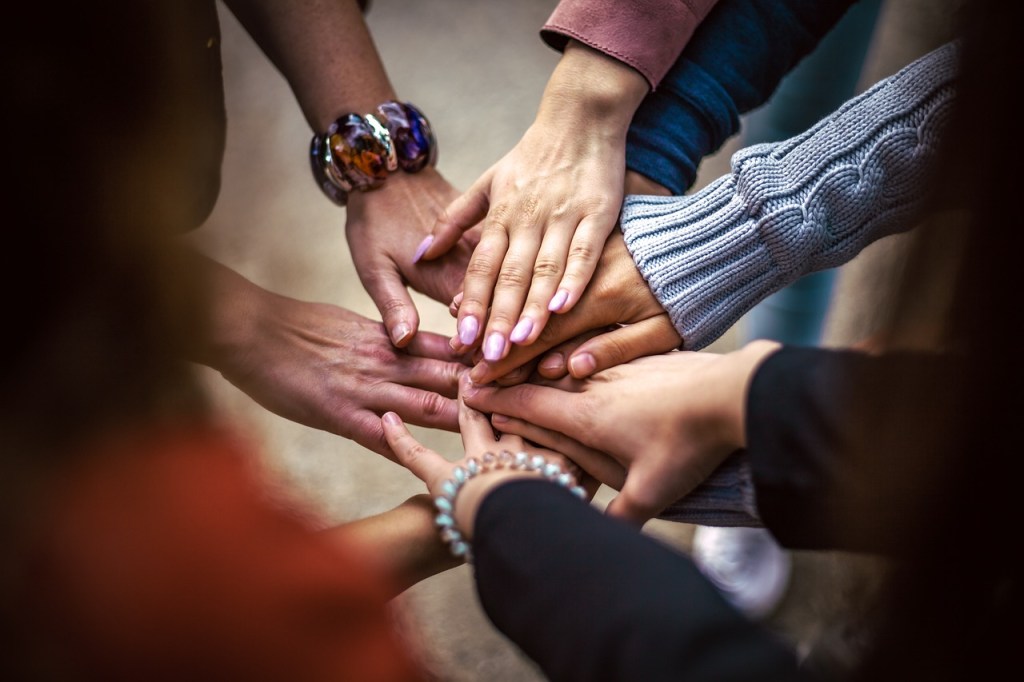
My understanding of the research in the fields of neuroscience, human development, and trauma is that we are hard-wired for one need. And that is the need to be socially connected with others. In evolutionary terms, this is how we survived as a species and it is also how we grow and develop into becoming the best we could possibly hope for. We have a need to be surrounded by a community that sustains us, holds us up and helps us to grow through the tough times. Such a supportive community is how we heal from trauma. Recovering from trauma takes a long time. While therapy and medication are components in this recovery the most powerful tool at our disposal is the most overlooked and that is the quality of the relationships, we have around us. This is where we heal best. This is the oft-quoted “village to raise the child”. Without a positive and supportive community, we cease to grow and we lose a valuable part of who we are meant to be.
The difficulty for many who have suffered trauma is that while they may have a community around them or a family that should provide them with support it is not a positive and sustaining community but one that drags them back into some of the poor life choices that have led them into their current predicament. These communities are quite toxic and derail the healing process.
In short, we have one real need and that is a connected and supportive community and it is the quality of that community that makes all the difference.

 Herding Together